
Understanding the psychology behind gambling What drives the bets
The Allure of Risk and Reward
The psychology of gambling revolves largely around the thrill associated with risk and reward. Gamblers often find excitement in the unpredictability of outcomes, drawing them to wager their money for the chance of a significant payoff. This adrenaline rush is akin to other high-risk activities, such as extreme sports or stock trading, where the stakes are high, and the rewards can be lucrative. This powerful combination of excitement and the possibility of financial gain creates a compelling draw to gambling. In Canada, players often gravitate toward options like a no verification withdrawal casino, which allows for privacy and swift access to funds.

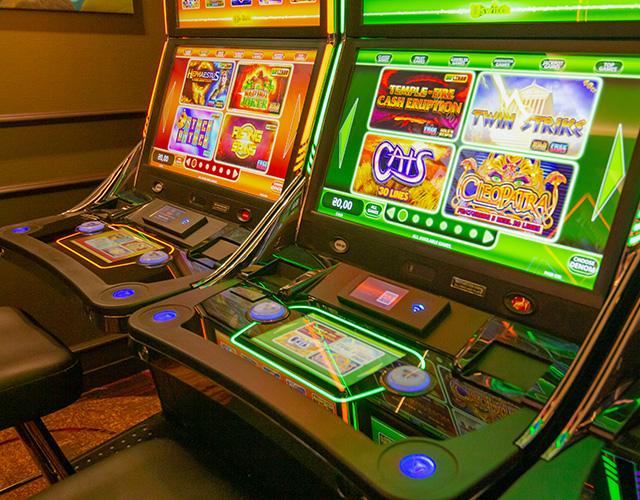
The concept of variable rewards also plays a critical role in the psychology of gambling. Much like slot machines that provide intermittent payouts, the brain responds to these unpredictabilities by releasing dopamine, the chemical associated with pleasure. This reaction reinforces the behavior, making it more likely for individuals to return to gambling in pursuit of that euphoric feeling. The unpredictability keeps gamblers engaged, often leading them to overlook losses in hopes of future wins.
Furthermore, social factors contribute to the appeal of gambling. Whether it’s in a casino, a sports bar, or online, the communal aspect of betting can enhance enjoyment. Many gamblers find camaraderie among fellow players and relish the opportunity to share their experiences and strategies. The shared excitement can amplify the thrill of the game, making the overall gambling experience even more enticing, thus perpetuating a cycle of engagement.
The Role of Cognitive Biases
Cognitive biases significantly influence gambling behavior, leading individuals to make irrational decisions. One prevalent bias is the illusion of control, where gamblers believe they can influence the outcome of a game through their skills or strategies, especially in games that are primarily based on chance. This false sense of control can encourage players to bet more, leading them deeper into a cycle of betting and loss.
Another common bias is the gambler’s fallacy, where individuals believe that previous outcomes will affect future results. For instance, a gambler might assume that a roulette wheel is “due” for a win after a series of losses, leading them to increase their bets. This erroneous belief fosters an unrealistic understanding of probability, which can be harmful to their financial health. These cognitive distortions reveal how our mental shortcuts can dramatically impact betting behaviors and decisions.
Understanding these cognitive biases can help in recognizing the psychological traps that gamblers fall into. It allows individuals to be more aware of their decision-making processes and can provide insights for those looking to gamble responsibly. Awareness can foster strategies to mitigate the impacts of these biases, such as setting strict betting limits or taking regular breaks to assess their gambling behavior critically.
The Impact of Emotions on Betting Behavior
Emotions play a substantial role in gambling, often dictating decisions that might otherwise seem irrational. Many gamblers are driven by feelings such as excitement, frustration, or even depression, seeking solace or escape in the act of betting. This emotional connection can make gambling more appealing, as it offers an escape from everyday challenges or a way to celebrate victories in life.
When emotions run high, individuals often engage in “chasing losses,” where they continue to gamble in hopes of recouping their previous losses. This behavior, fueled by desperation or anger, can lead to escalating bets and significant financial harm. Understanding the emotional aspect of gambling helps gamblers recognize when they might be betting not just for fun, but as a way to cope with their feelings.
A balanced approach to gambling acknowledges these emotions without allowing them to dictate behavior. By setting limits on time and money spent gambling, individuals can enjoy the experience without falling prey to the emotional pitfalls. Recognizing emotional triggers can also help gamblers choose healthier coping strategies, such as talking to friends or engaging in other leisure activities instead of turning to gambling during low points.
Social Influences and Gambling Culture
Social influences can significantly shape an individual’s perspective on gambling. From a young age, people are often exposed to gambling in various forms, whether through media portrayals, family activities, or peer pressure. This exposure can create a normalized view of gambling, leading individuals to see it as an acceptable pastime rather than a risky financial behavior. As a result, they may underestimate the potential consequences of their actions.
Casinos and online gambling platforms also contribute to the social acceptance of gambling by fostering an environment that encourages participation. Promotions, social gaming features, and community aspects can create a sense of belonging among players. Moreover, the emergence of online platforms has made gambling more accessible than ever, allowing individuals to engage at any time and from any location, further entwining social aspects with gambling behavior.
Awareness of these social influences is crucial for responsible gambling. By recognizing the impact of societal norms and peer behaviors, individuals can better understand their motivations. Support groups and educational resources can also provide guidance on navigating these social pressures, helping gamblers make informed choices that prioritize their wellbeing over societal expectations.
Your Guide to Understanding Gambling Psychology
With the complexities of gambling psychology laid out, it’s essential to approach this activity with a clear understanding of its various facets. Engaging in gambling can be an exciting form of entertainment when done responsibly. However, it’s crucial for players to be aware of the psychological factors at play that can lead to problematic behaviors. Knowledge is empowering and can serve as a safeguard against the pitfalls of gambling.
The exploration of psychological drivers, cognitive biases, emotions, and social influences can arm individuals with the insight they need to navigate their gambling experiences more effectively. Awareness of these elements not only promotes responsible gambling but also encourages players to enjoy the thrill of betting while maintaining control over their financial and emotional wellbeing.
For those looking to delve deeper into the world of gambling and its psychology, our website offers comprehensive resources, expert tips, and guides designed to enhance your understanding and enjoyment of the gaming experience. From understanding the best practices for betting to learning about various games and strategies, we aim to create an informed community that engages responsibly with gambling.